
Learn how to decode and fix common Daikin mini split error codes like U0, U1, and E1 with our comprehensive 2026 troubleshooting guide for homeowners.
There is nothing more frustrating than a humid summer afternoon or a freezing winter night interrupted by a blinking light on your indoor unit. When your HVAC system stops performing, it usually communicates the problem through specific digital signals. Understanding Daikin mini split error codes is the first step toward restoring your home comfort and protecting your significant investment in climate control technology. Based on common manufacturer data 2026, these codes are designed to pinpoint malfunctions within the complex refrigerant and electrical circuits of your ductless system.
Mini split systems are marvels of engineering, utilizing inverter technology to provide high-efficiency heating and cooling. However, their sophisticated sensors can trigger a shutdown for reasons ranging from a simple dirty filter to a critical compressor failure. By learning how to interpret these codes, you can often resolve minor issues yourself or provide your HVAC technician with the precise data they need to perform a fast, efficient repair.
Understanding Your Daikin Error Display
Daikin systems typically communicate errors through the digital display on the indoor unit or the remote controller. If you see a flashing light or a two-digit alphanumeric sequence like U0 or E1, the system has entered a protective mode. Safety is paramount when dealing with high-voltage equipment and pressurized refrigerant lines.
Before you begin any inspection, always unplug the unit or shut off the dedicated circuit breaker. If the issue persists or involves internal electrical components, you must consult a licensed HVAC technician to ensure compliance with local building codes and manufacturer warranty requirements.
Decoding Common Daikin Mini Split Error Codes
While there are dozens of possible sequences, a few specific codes appear more frequently in residential settings. These codes categorize whether the fault lies in the indoor unit, the outdoor condenser, or the communication line between them.
The U0 Error Code: Refrigerant Shortage
The U0 code is perhaps the most common signal homeowners encounter. It indicates a low refrigerant charge or a blockage in the refrigerant piping. Because mini splits are closed-loop systems, a shortage of refrigerant almost always implies a leak that needs to be located and sealed.
The U1 Error Code: Phase Reversal or Open Phase
This is an electrical fault code. The U1 code suggests that the incoming power supply is incorrect. This can happen after electrical work in the home or during a power surge where the wiring phases become reversed or a connection becomes loose.
The E1 Error Code: Outdoor PCB Abnormality
The E1 code points directly to the outdoor unit’s printed circuit board (PCB). This is the “brain” of the condenser. When this board fails due to moisture, heat, or a component short, the entire system will cease to function to prevent further damage.
Common Causes for System Faults
Below is a breakdown of the primary reasons these malfunctions occur during standard operation.
| Error Code | Primary Meaning | Common Root Causes |
|---|---|---|
| U0 | Refrigerant Shortage | Leak in flare nuts, punctured line set, or clogged strainer. |
| U1 | Power Supply Fault | Reverse phase wiring, loose terminals, or utility power surge. |
| E1 | Outdoor PCB Failure | Blown fuse on board, moisture intrusion, or capacitor failure. |
| E5 | Compressor Overload | Overheating compressor, lack of oil, or restricted airflow. |
| F3 | Discharge Pipe Temp | High discharge temperature caused by low refrigerant or blockage. |
| L5 | Inverter Instantaneous Overcurrent | Compressor short circuit or faulty inverter power module. |
Step-by-Step Troubleshooting and Fixes
Before assuming you need a costly part replacement, follow these systematic troubleshooting steps. Many Daikin mini split error codes can be cleared by performing a hard reset or addressing a simple environmental factor.
Phase 1: The Hard Reset
Sometimes the internal sensors experience a temporary glitch. Turn off the power at the breaker for at least ten minutes. This allows the capacitors to discharge and the sensors to reset. Restore power and see if the code returns.
For a complete overview of the reset process that works for most portable units, including safety tips and manufacturer variations, visit our guide: How to Reset Portable Air Conditioner After Error Codes or Power Outage.
Phase 2: Checking for Airflow Obstructions
For codes like E5 or F3, airflow is often the culprit. Ensure the outdoor condenser is free of leaves, debris, and snow. Check the indoor filters; if they are clogged, the system cannot exchange heat, causing the compressor to work harder and eventually trip an error.
Phase 3: Inspecting Electrical Connections
If you are comfortable removing the access panel on the outdoor unit (with power disconnected), check for any charred wires or loose screw terminals. Pests like geckos or ants frequently crawl into outdoor units and short out the PCB, which is a leading cause of the E1 error.
Phase 4: Evaluating the Remote Controller
Sometimes the error is not with the machine but with the communication. If the remote display is blank or unresponsive, replace the batteries. You can also use the “Cancel” button on the Daikin remote to cycle through codes until a long beep identifies the specific active fault.
Preventive Maintenance for Ductless Systems
The best way to avoid seeing an error code is to stay ahead of wear and tear. A well-maintained Daikin system can last 15 to 20 years.
- Clean your indoor filters every two weeks, especially during peak summer or winter months.
- Use a soft brush or specialized coil cleaner to keep the outdoor fins clear of dust and grime.
- Ensure that the condensate drain line is clear by pouring a cup of vinegar through it once a season to prevent algae growth.
- Schedule a professional “tune-up” once a year to check refrigerant pressures and electrical draw.
If you are looking for high-quality replacement filters or specialized cleaning kits, investing in a professional-grade HVAC maintenance bundle can save you hundreds in service calls over the life of your unit.
When to Call a Professional
While homeowners can handle cleaning and resets, certain repairs require EPA-certified expertise. If your Daikin mini split error codes indicate a refrigerant leak (U0) or a compressor issue (L5), do not attempt to open the refrigerant lines yourself. Handling refrigerant without proper licensing is illegal in the United States and can cause severe injury.
You should call a licensed technician if:
- You smell a burning odor coming from the indoor or outdoor unit.
- The system makes a loud grinding or screeching sound.
- The error code persists after a hard reset and a filter cleaning.
- You notice ice forming on the indoor coils or the outdoor line set.
Frequently Asked Questions
How do I clear the error code on my Daikin remote?
Hold the “Cancel” button for five seconds. Once the display flashes “00,” press “Cancel” repeatedly until you hear a continuous beep. This identifies the error. To reset, power down the unit at the breaker for ten minutes.
Why is my Daikin light blinking but no code is showing?
A blinking light usually indicates a general fault. Use the remote control “Cancel” button method to pull the specific code from the unit’s memory.
Can a dirty filter cause a U0 error?
Generally, U0 is specific to refrigerant. However, extreme airflow restriction can mimic temperature readings that lead to various sensor errors. Always start with clean filters.
Is it worth replacing an outdoor PCB (E1 code)?
If the unit is under warranty, yes. If it is out of warranty and the unit is over 12 years old, your technician may recommend a full unit replacement due to the high cost of inverter boards.
Conclusion
Navigating Daikin mini split error codes does not have to be overwhelming. By understanding the language of your HVAC system, you can differentiate between a simple maintenance task and a serious mechanical failure.
Keep this guide handy and remember that regular maintenance is the most effective tool in your arsenal for a comfortable, worry-free home.
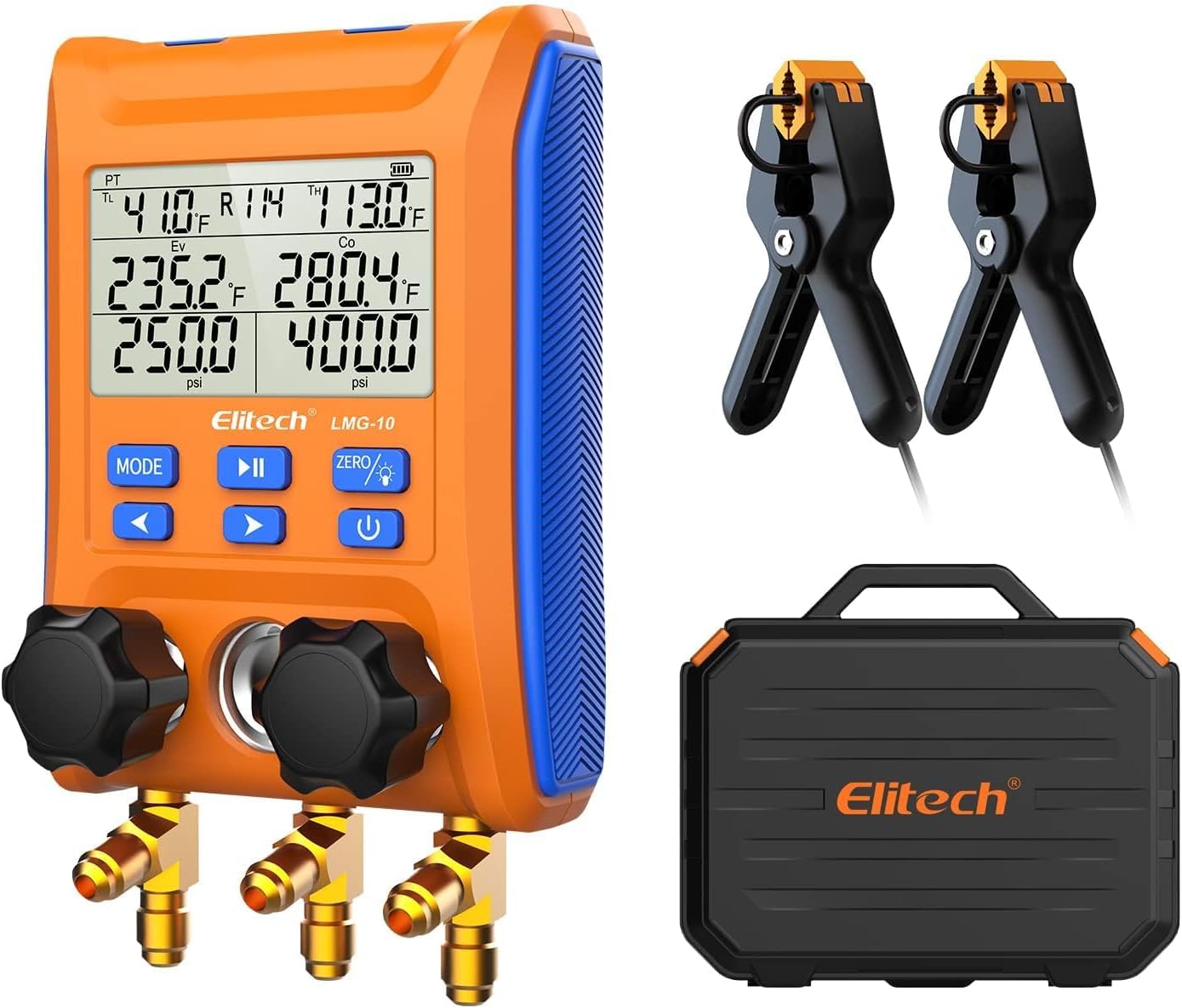
For those who want to ensure their system remains in peak condition, using a reliable digital manifold gauge set can help tech-savvy homeowners monitor their system’s health before a code ever appears.
 |
| Buy it on Amazon |
Always prioritize safety and keep the number of a trusted local HVAC professional saved for when the complex repairs arise.