
Learn how to diagnose and resolve common fault signals on your Whynter unit with our guide to 2026 error codes.
When the summer heat reaches its peak, your Whynter unit becomes the most important appliance in your home. However, few things are as frustrating as seeing a flashing display instead of feeling a cool breeze. Understanding Whynter portable air conditioner error codes is the first step toward reclaiming your comfort. These codes are not just random letters and numbers; they are a sophisticated diagnostic language designed by the manufacturer to protect the internal components of your machine from permanent damage.
Operating a unit that is signaling a fault can lead to costly compressor failures or electrical shorts. By identifying the specific error early, you can often perform a simple reset or cleaning that saves you the expense of a service call. Based on common manufacturer data 2026, many of these issues are environmental or related to basic maintenance rather than mechanical failure.

What the Error/Code Means
Whynter utilizes a standardized set of alphanumeric codes across most of their portable models, including the popular ARC series. These codes generally fall into three categories: drainage issues, temperature sensor malfunctions, and internal system pressures.
The most common code users encounter is P1, which indicates the internal water reservoir is full. Codes like E1 or E2 point toward the temperature sensors that monitor either the ambient room air or the internal evaporator coils. More serious codes, such as E4, often indicate a problem with the compressor or the refrigerant system. Knowing exactly what these signals mean prevents you from guessing and allows for a targeted repair strategy.
Common Causes
Identifying the root cause of a fault is essential before you begin dismantling any panels. The following table summarizes the primary reasons these codes appear during standard operation.
| Error Code | Primary Meaning | Common Root Cause |
|---|---|---|
| P1 | Water Reservoir Full | High humidity or clogged internal drain |
| E1 | Humidity Sensor Error | Dust buildup or loose sensor connection |
| E2 | Evaporator Sensor Error | Coil frost or faulty thermistor |
| E4 | System Malfunction | Compressor overload or refrigerant leak |
| LT | Low Temperature | Ambient room temperature is too cold for operation |
Step-by-Step Troubleshooting and Fixes
Before performing any of the following steps, safety is the absolute priority. Always unplug your Whynter portable air conditioner before servicing or opening any drainage ports.
Fixing the P1 Error Code
The P1 code is a safety shut-off that prevents water from overflowing onto your floors. If you live in a high-humidity area, the unit may collect water faster than the self-evaporative system can exhaust it.
- Turn off the unit and unplug it from the wall outlet.
- Move the unit to a suitable drainage location, such as a floor drain or outside.
- Remove the lower drain plug and let the water empty completely.
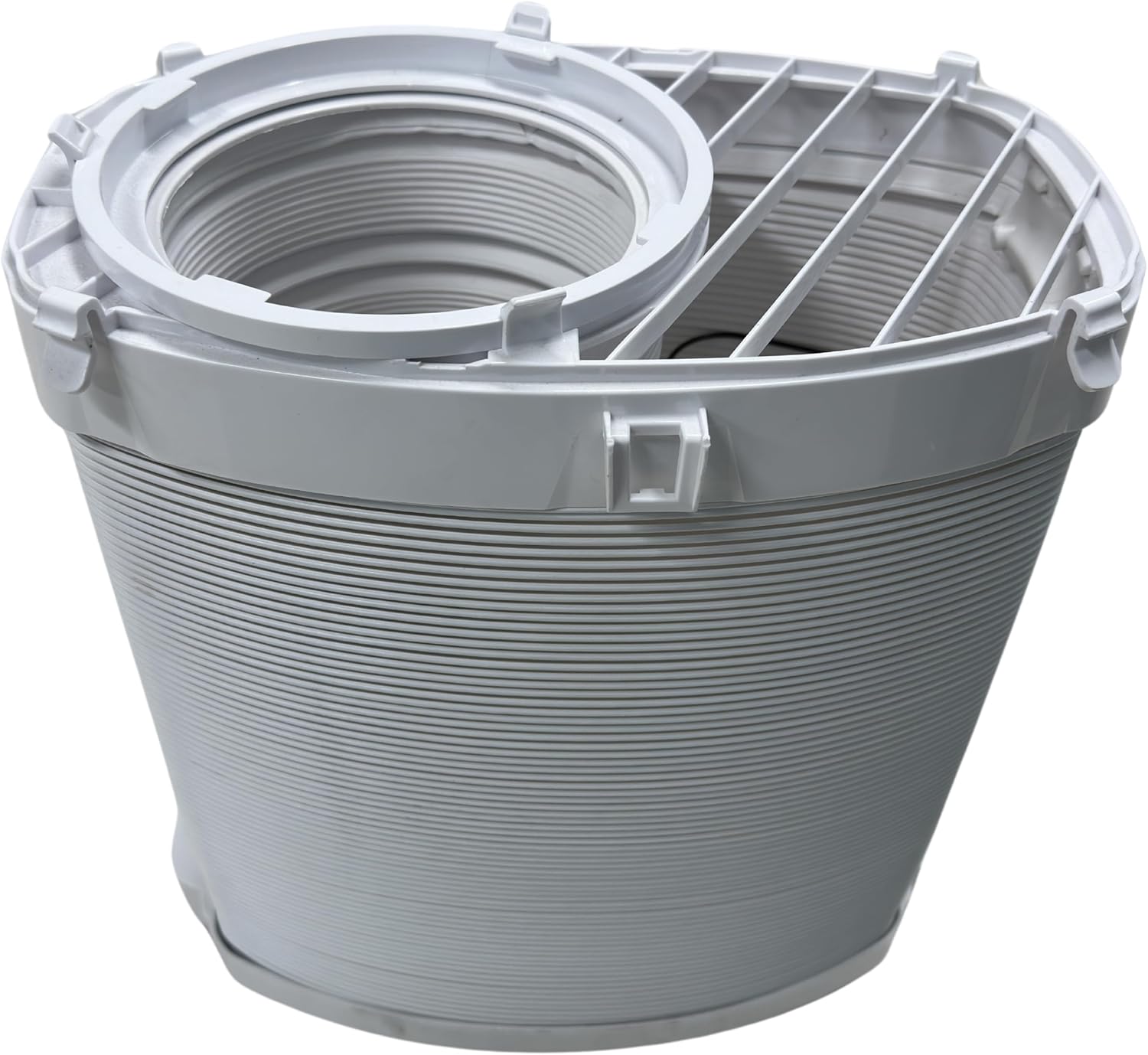
- If you frequently see this code, consider installing a Whynter-compatible gravity drain hose for continuous drainage into a larger bucket or drain.
 |
| Buy it on Amazon |
Fixing E1 and E2 Sensor Codes
These codes occur when the internal control board loses communication with the sensors.
- Unplug the unit for 30 minutes to perform a “hard reset” of the control board.
- Check the air filters. If they are clogged with dust, the sensors may provide inaccurate readings.
- Use a vacuum or canned air to gently clean the sensor area behind the intake grille.
- If the code returns immediately after a reset, the sensor may need to be replaced by a technician.
For a complete overview of the reset process that works for most portable units, including safety tips and manufacturer variations, visit our guide: How to Reset Portable Air Conditioner After Error Codes or Power Outage.
Addressing the E4 Malfunction
The E4 code is more complex and often relates to the cooling cycle.
- Ensure there is at least 20 inches of clearance around the unit for proper airflow.
- Check the exhaust hose. If it is kinked, too long, or obstructed, the compressor will overheat and trigger an E4 code.
- Ensure the unit is plugged directly into a wall outlet rather than a power strip, as these units require significant steady voltage to start the compressor.
Preventive Maintenance
To avoid seeing Whynter portable air conditioner error codes in the future, a consistent maintenance schedule is required. The most important task is cleaning the air filters every two weeks during periods of heavy use. Dust buildup forces the motor to work harder, leading to the overheating issues that trigger E-series codes.
Additionally, check the exhaust hose connections monthly. A loose hose allows hot air to leak back into the room, causing the unit to run non-stop and eventually icing up the evaporator coils. If you are looking to simplify your upkeep, investing in a high-quality internal coil cleaner or a replacement Whynter washable pre-filter can significantly extend the life of your unit.
When to Call a Professional
While most drainage and sensor reset issues are DIY-friendly, some problems require specialized tools. If the issue persists after you have drained the unit and cleaned the filters, or if you hear a loud grinding noise coming from the compressor, it is time to stop troubleshooting.
Refrigerant leaks, evidenced by the unit blowing warm air despite no error codes, cannot be fixed at home and require an EPA-certified technician. If your unit is still under the manufacturer’s warranty, attempting to open the sealed cooling system yourself will void your coverage. If the unit is older than five years and triggers an E4 code repeatedly, it may be more cost-effective to replace the unit rather than repairing a failed compressor.
FAQ Section
Why does my P1 code keep coming back every hour?
This usually happens in extremely humid environments where the self-evaporation feature cannot keep up. Check that the exhaust hose is not blowing against a window screen, which can trap moisture and cause it to drip back into the unit.
Can I run my Whynter AC without the exhaust hose?
No. Portable air conditioners work by removing heat from the air and sending it outside. Without the hose, the unit is simply moving hot air around the room, which will trigger a Low Temperature or System Malfunction code.
How do I clear a code after I have fixed the problem?
Most Whynter units require you to unplug the power cord for at least 60 seconds. Once plugged back in, the control board will run a self-test and clear the code if the sensor detects the parameters are back to normal.
Conclusion
Managing your Whynter portable air conditioner error codes does not have to be an overwhelming task. By following a structured troubleshooting approach—starting with drainage and moving to airflow and sensor checks—most homeowners can get their cooling system back online within an hour.
Remember that consistent cleaning is the best defense against system failures. Keep your filters clear, your exhaust hose straight, and always prioritize safety by disconnecting power before any internal inspection. Maintaining your unit correctly ensures it remains a reliable partner against the summer heat for years to come.